

Vol.34|Can Menstrual Cups and IUDs Be Used Together? Precautions Identified in Research
Can You Use a Menstrual Cup and IUD Together? What Research Shows and What to Check Before You Start
Using a menstrual cup and an intrauterine device (IUD) together is not prohibited across the board. However, clinical trials of copper-based IUDs have reported that people who used menstrual cups were more likely to experience IUD expulsion. If you use an IUD, consult your gynecologist before using a menstrual cup. If you do use one, it is important to break the seal before slowly removing the cup and to see a doctor promptly if you notice anything unusual.
- ● Why you need to be careful when using a menstrual cup and an IUD together
- ● What research has shown (with figures)
- ● What people who use an IUD should check before using a menstrual cup
- ● Three tips for use and signs that you should see a doctor
In an Era When You Can Choose Your Own Contraception and Period Products
More and more people are choosing IUDs for contraception and menstrual cups as period products. Both are important options that you can choose to suit your body and lifestyle.
However, information about whether you can use these two together is not yet widely known. You may have missed asking your gynecologist, and answers online can be inconsistent. We have organized the information based on research to clear up any confusion. Choosing with the right knowledge helps protect your body.
What Are the Concerns About Using a Menstrual Cup and an IUD Together?
A menstrual cup is a period product that collects menstrual blood inside the vagina. An IUD is a small contraceptive device placed inside the uterus. There are copper-based IUDs and hormone-releasing intrauterine systems (IUSs). Both have a thin string that extends from the opening of the uterus into the vagina.
The main concerns are the following two:
- ● Suction force: Because a menstrual cup stays in place by sealing against the vaginal wall, there is a concern that pulling it out without breaking the seal could affect the IUD.
- ● String entanglement: There is a concern that the IUD string could be pulled out along with the cup when it is removed.
In 2013, cases were reported to French regulatory authorities of copper-based IUDs shifting or falling out in people who used menstrual cups.
What Research Has Shown
A 2024 study published in the U.S. journal Contraception reanalyzed data from a three-year clinical trial comparing two types of copper-based IUDs.
| Item | Results |
|---|---|
| Participants | 1,046 people (84% of whom had never given birth). All had one of two types of copper-based IUDs inserted |
| People who used menstrual cups | 250 people (23.9%) |
| Rate of IUD expulsion within 12 months | Cup users: 15.8%; non-cup users: 5.0% |
| Rate of IUD expulsion within 36 months | Cup users: 23.2%; non-cup users: 9.4% |
| Differences by IUD type | With the smaller type of IUD, cup users were about three times more likely to experience expulsion. There was no clear difference with the other IUD |
| Accidental removal | More common among cup users, regardless of IUD type |
※ “Expulsion” includes cases where the IUD naturally falls out in part or in full, as well as cases where it is accidentally removed by the user.
In this trial, IUD expulsion was observed in cup users about one year after the study began, so the research team advised participants who used menstrual cups not to use them. The research team states that healthcare providers should inform people who use IUDs about this.
A 2022 systematic review summarizing previous research also stated that there may be a link between menstrual cup use and IUD expulsion and that this information should be shared with patients. However, the number of studies is still limited, and much remains unknown.
- ● Only copper-based IUDs were studied. Hormone-releasing systems (IUSs) were not included
- ● Most participants had never given birth, and the IUDs used may not be the same type as those used in Japan
- ● It does not mean that using a cup will always cause an IUD to fall out. However, there are risks you should know
For People Who Use an IUD Before Using a Menstrual Cup
The product page for Lunette, which is available at fermata, also advises people who use an IUD or contraceptive ring to consult a doctor before using it.
- ● The type of IUD you have (copper-based or hormone-releasing)
- ● The length of the string and how to check it yourself
- ● How long it has been since your IUD was inserted (some suggest avoiding menstrual cup use for a while after insertion)
- ● Whether you can use a menstrual cup and, if so, what precautions to take
It is perfectly fine to ask these questions. Contraception and menstruation are important health topics for you.
Three Tips for Use
- 1. Break the seal before removing the cup: Do not pull hard on the stem (the tab) alone. Instead, pinch the bottom of the cup to create a vacuum, loosen the seal, and then slowly remove it.
- 2. Avoid trapping the string: Take your time when removing the cup and move it slowly so that the IUD string does not get caught in the rim.
- 3. Keep track of changes: If you notice any unusual pain, bleeding, or changes in the length or position of the string when you touch it, stop using the cup and consult your doctor.
- ● Severe pain or sudden bleeding
- ● The IUD string suddenly becomes longer, shorter, or cannot be felt
- ● You see something like an IUD inside the removed cup
- ● Fever, strong-smelling vaginal discharge, or pain when urinating
- ● You cannot remove the cup
If you think your IUD may have fallen out, you may not be protected from pregnancy. Use another method of contraception, such as condoms, and see your gynecologist promptly.
Combining the Cup with Other Methods Is Also an Option
Even if you decide not to use a menstrual cup after consulting your doctor, you still have other period products to choose from. You can choose a combination of methods that works for you, such as pads or absorbent underwear that does not need to be inserted into the vagina.
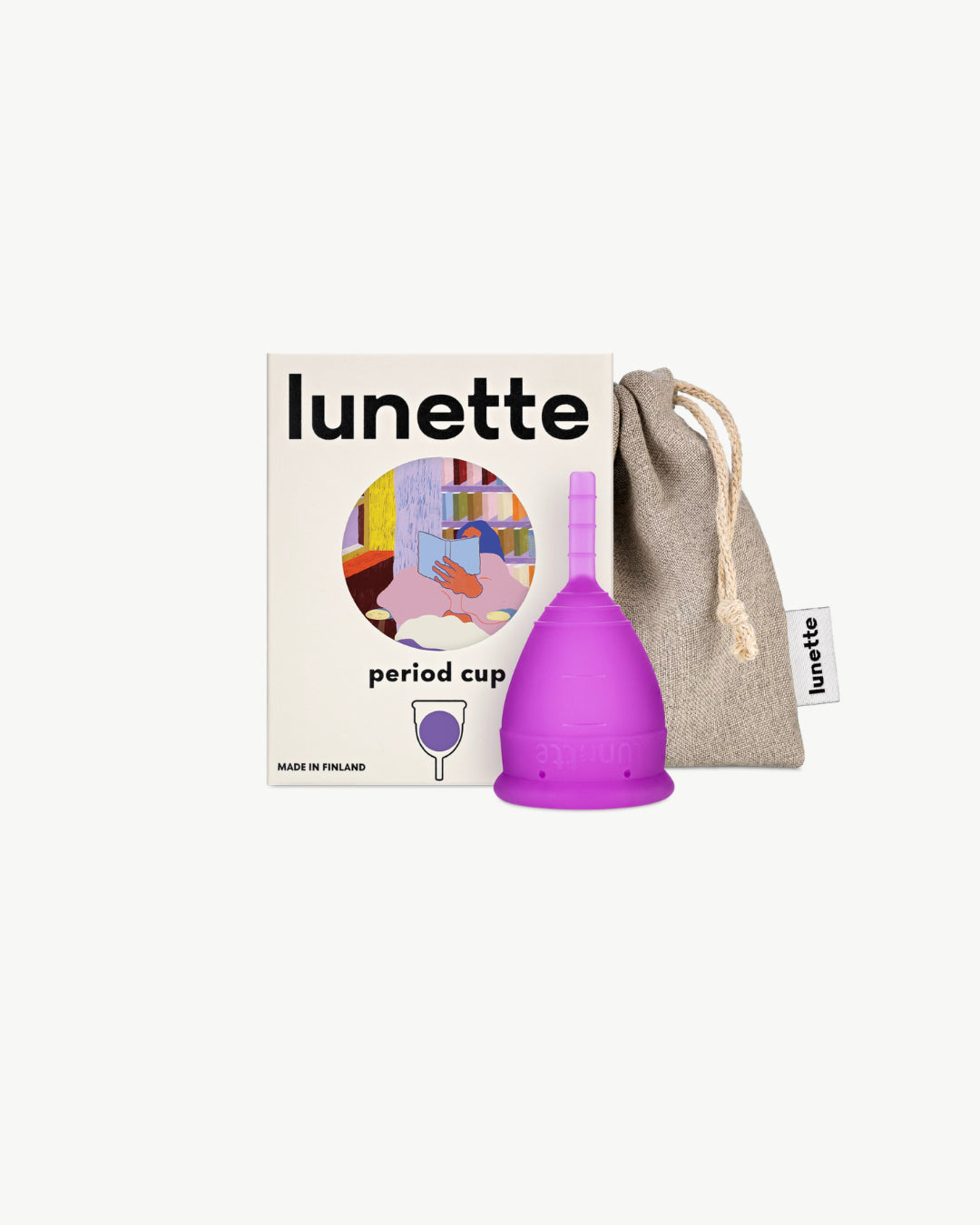
Made from medical-grade silicone. If you use an IUD, consult your doctor before using it
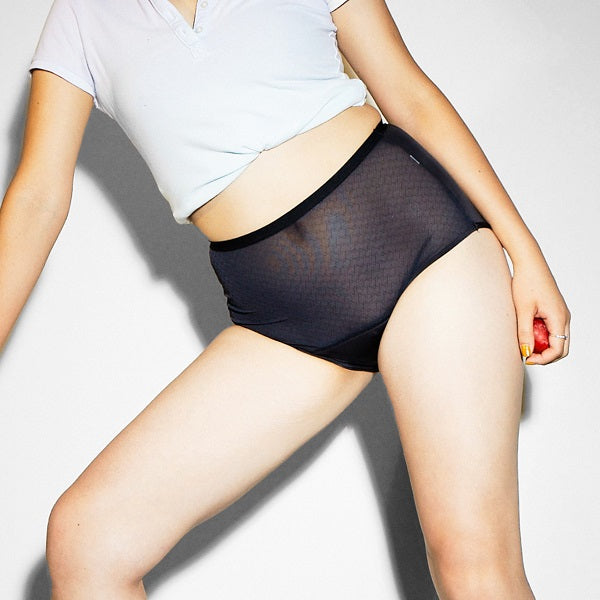
An option that does not need to be inserted into the vagina. Can be used with pads
Information on choosing the right menstrual cup size and how easily it can be removed is available in How to Choose a Menstrual Cup Size, while information on choosing the right size for absorbent underwear is available in How to Choose the Right Size for Absorbent Underwear. If you are unsure, you can also consult the “fermata Concierge” on LINE. We can also connect you with a doctor or nurse when needed.
Frequently Asked Questions
Can You Never Use a Menstrual Cup and an IUD Together?
It is not prohibited across the board. However, clinical trials of copper-based IUDs have reported that people who used menstrual cups were more likely to experience IUD expulsion. Before using one, consult your gynecologist about your IUD type and how well it is positioned.
Is the Same True for Hormone-Releasing IUDs (IUSs)?
The study mentioned above only examined copper-based IUDs, and what is known about hormone-releasing systems is still limited. Do not make your own decision; consult your gynecologist.
How Long After Getting an IUD Can You Use a Menstrual Cup?
There is no set guideline. Some suggest avoiding menstrual cup use for a while after insertion. Check with the medical facility where your IUD was inserted.
Can a Menstrual Cup Prevent Pregnancy?
No. A menstrual cup is not a contraceptive device. Use a method that suits your needs for contraception and STI prevention.
Is a Menstrual Disc Safe to Use with an IUD?
There is very little research on using a menstrual disc and an IUD together, and what is known is limited. Because a menstrual disc is also used deep inside the vagina, people who use an IUD should consult their gynecologist about using one.
Learn, Choose, and Protect Yourself
Both IUDs and menstrual cups are options that can help women live more freely. That is why it is important to understand the risks of using them together. Learn about these risks and work with a healthcare provider to choose the method that is right for you.
Until your taboos turn into excitement, fermata will continue to provide information about contraception and menstruation that you can discuss freely and use with confidence.
This article is intended for general informational purposes only and is not a substitute for diagnosis or treatment. Always follow the product instructions, and consult a healthcare provider if you have any symptoms or concerns about your IUD.
References
※ Overseas materials are in English.
- ● Brown JE, et al. Menstrual cup use and intrauterine device expulsion in a copper intrauterine device randomized trial. Contraception. 2024;134:110415
- ● Menstrual cup and risk of IUD expulsion – a systematic review (2022)
- ● ClinicalTrials.gov | Shifting of Intrauterine Device and Use of the Menstrual Cup: Case-Control Study
- ● fermata store | Lunette Menstrual Cup
References and product information were checked on November 21, 2026. Product specifications and information are subject to change. Please refer to the Japanese instructions and the latest product information.
Leave a comment